A Journey Defined by Partnership
In 2020, the GEF–UNIDO Industrial Energy Efficiency (IEE) and Resource Efficient and Cleaner Production (RECP) Project began with a clear vision: to support Nigeria’s industries in becoming more energy-efficient, resource-efficient, and environmentally sustainable.
Over the following six years, that vision evolved into a nationwide effort involving government institutions, manufacturers, financial institutions, development partners, academia, media organisations, and technical experts.
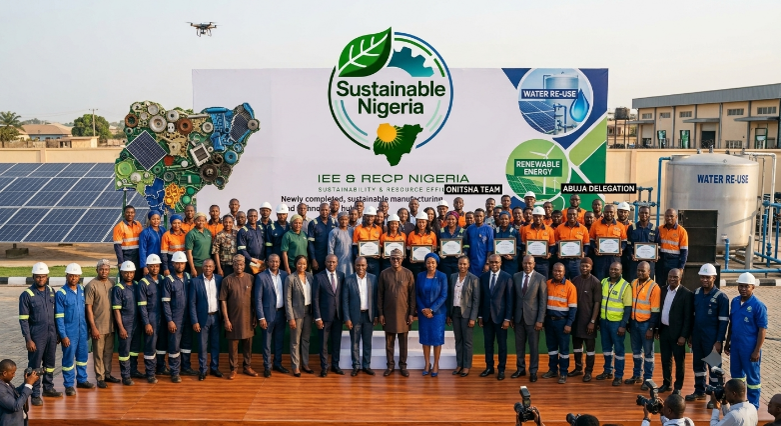
Together, these stakeholders demonstrated that sustainable industrial development is achieved through collaboration, innovation, and shared commitment.
Milestones That Mattered
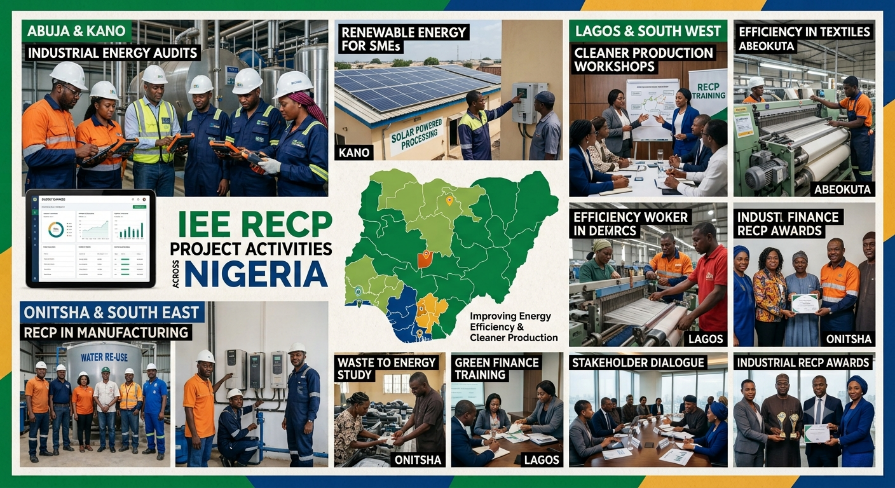
Throughout implementation, the project delivered a wide range of initiatives that strengthened Nigeria’s industrial sustainability landscape.
These included:
- Capacity-building programmes for industries and institutions.
- Cleaner Production Assessments across participating industries.
- Promotion of ISO 50001 and ISO 14001 standards.
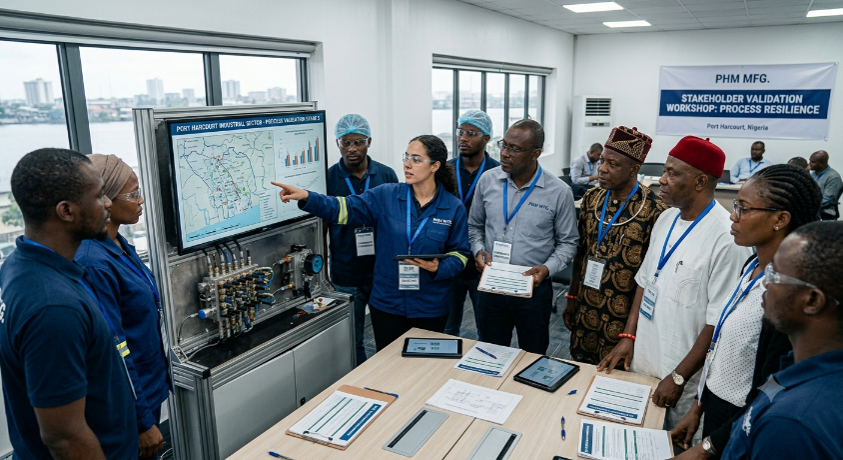
- Public–private dialogue sessions.
- Media engagement and sustainability communication.
- Financing discussions for industrial energy efficiency.
- Development of long-term institutional sustainability strategies.
Each milestone represented another step toward building a stronger industrial sector.
More Than Activities
The project’s achievements cannot be measured only by the number of workshops or meetings held.
Its true success lies in the relationships established, the knowledge shared, the systems strengthened, and the growing recognition that sustainability and competitiveness go hand in hand.
Across Nigeria, industries are increasingly viewing energy efficiency and cleaner production not as obligations, but as opportunities.
Looking Back with Confidence
As the project concludes, it leaves behind a stronger foundation for industrial sustainability.
The lessons learned, partnerships formed, and institutional frameworks developed during implementation will continue to influence industrial practices for years to come.
This is not simply the end of a project.
It is the continuation of a movement toward smarter, cleaner, and more competitive industries.