Good Ideas Need More Than Good Intentions
Many industries understand the benefits of energy efficiency.
They know that reducing energy consumption lowers operating costs. They recognise that cleaner production improves productivity and strengthens competitiveness.
Yet one challenge often remains.
Access to finance.
Without adequate investment, even the most promising energy efficiency initiatives can remain unrealised.
That is why financing has become an increasingly important part of Nigeria’s industrial sustainability journey.
The Investment Opportunity
Energy-efficient technologies and cleaner production practices should not be viewed simply as environmental improvements.
They are business investments.
They can:
- Reduce operating expenses.
- Improve production efficiency.
- Increase equipment lifespan.
- Enhance competitiveness.
- Reduce environmental risks.
When industries invest in efficiency, they often strengthen their financial performance at the same time.
Creating Awareness Among Financial Institutions
One important achievement of the GEF–UNIDO IEE & RECP Project was bringing financial institutions into the conversation.
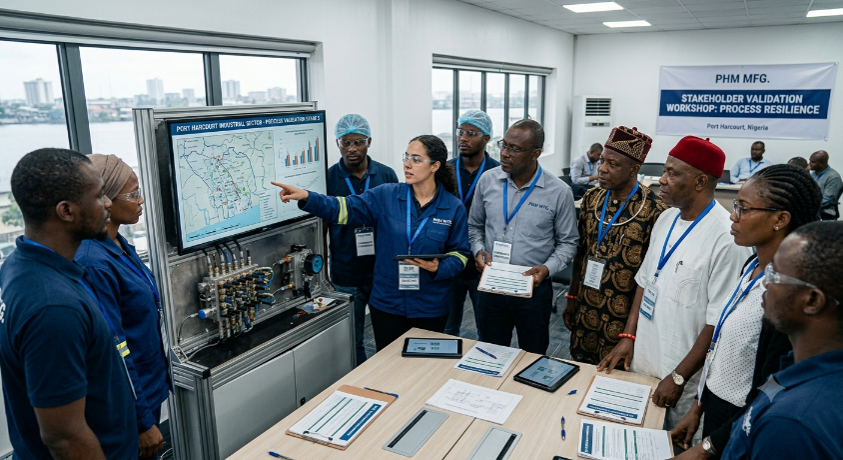
Dedicated stakeholder engagements explored:
- Financing opportunities for industrial energy efficiency.
- Investment risks and opportunities.
- Green financing mechanisms.
- Partnerships between lenders and industry.
- Long-term sustainability financing.
These discussions helped strengthen understanding of how financial institutions can support industrial transformation.
Bridging the Gap
Industrial sustainability requires collaboration between technical expertise and financial support.
Businesses need confidence that investment in efficiency will deliver measurable returns.
Financial institutions need reliable information that helps them assess viable projects.
Projects such as the GEF–UNIDO IEE & RECP initiative help bridge this gap by providing evidence, technical guidance, and stakeholder engagement.
Looking Forward
As global investment increasingly supports climate-smart industrial development, access to sustainable finance will become even more important.
The lessons learned through this project demonstrate that financing is not simply about funding equipment.
It is about investing in stronger industries, better environmental performance, and a more competitive Nigerian economy.