Progress Begins with Conversation
No single institution can transform an industrial sector on its own.
Governments create policies. Industries drive innovation and production. Financial institutions provide investment. Development partners contribute technical expertise. The media informs the public and shapes understanding.
When these groups work in isolation, progress is often slow. When they work together, sustainable change becomes possible.
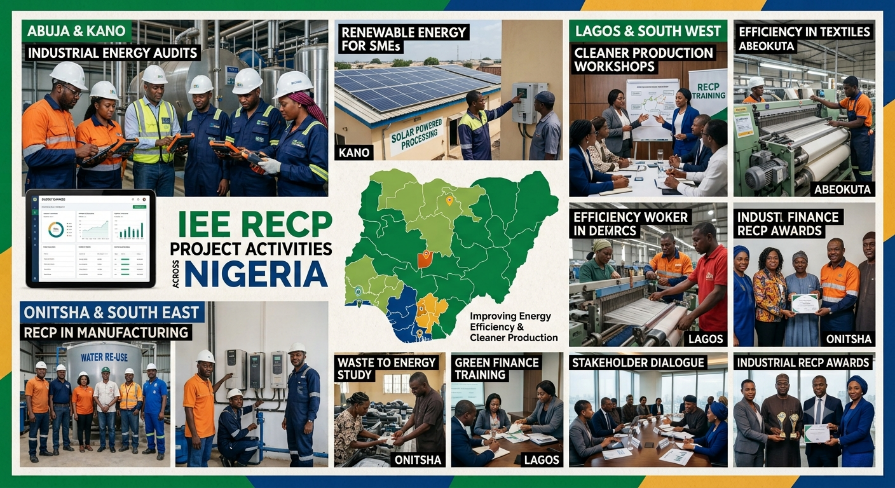
This belief was central to the GEF–UNIDO Industrial Energy Efficiency (IEE) and Resource Efficient and Cleaner Production (RECP) Project in Nigeria.
Why Dialogue Matters
Industrial sustainability is about more than introducing new technologies. It also requires an enabling environment where policies support investment, industries understand available opportunities, and institutions work toward common goals.
Public–private dialogue creates that environment.
It gives stakeholders an opportunity to:
- Exchange ideas and practical experiences.
- Identify barriers to energy efficiency and cleaner production.
- Explore opportunities for collaboration.
- Align national priorities with industry needs.
- Develop practical solutions to shared challenges.
Most importantly, it builds trust.
Turning Discussion into Action
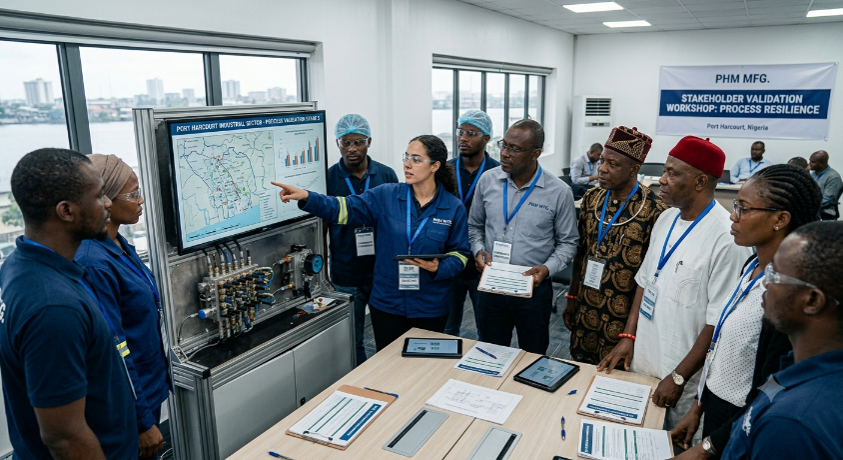
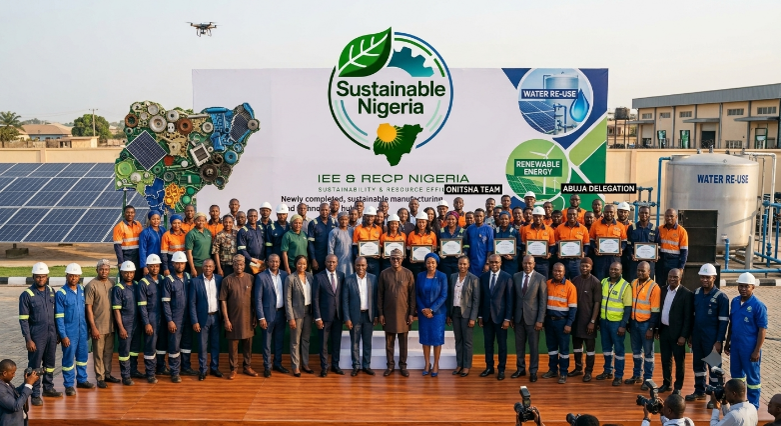
Throughout the project, dialogue sessions brought together policymakers, chief executives, manufacturers, financial institutions, development partners, technical experts, and representatives of organised private sector organisations.
These engagements focused on practical issues such as:
- Industrial energy efficiency policies.
- Adoption of international standards.
- Financing opportunities.
- Capacity development.
- Long-term sustainability.
Rather than simply exchanging presentations, participants worked toward shared understanding and collective action.
Collaboration as a Competitive Advantage
The most successful industrial economies are built on partnerships.
Businesses benefit when government policies encourage innovation.
Governments benefit when industries invest in sustainable growth.
Communities benefit when production becomes cleaner and more efficient.
The GEF–UNIDO IEE & RECP Project demonstrated that collaboration is not simply a project activity. It is a strategy for national development.
Looking Ahead
As Nigeria continues to strengthen its industrial sector, ongoing dialogue between public and private stakeholders will remain essential.
The relationships built during the project provide a strong foundation for future collaboration, ensuring that the momentum created continues well beyond the project’s formal conclusion.