A New Way of Thinking About Industrial Growth
For many years, industrial growth has been measured by one thing: increased production. Today, however, another important question is shaping the future of manufacturing around the world: How efficiently can industries produce while using fewer resources?
Industrial Energy Efficiency (IEE) provides the answer.
Rather than asking industries to produce less, IEE encourages them to produce smarter by reducing unnecessary energy consumption while maintaining or even improving productivity. The result is lower operating costs, improved competitiveness, reduced greenhouse gas emissions, and stronger environmental performance.
For a country like Nigeria, where industries continue to face rising energy costs and increasing pressure to improve productivity, energy efficiency is no longer an option. It is becoming a strategic necessity.
Why Energy Efficiency Matters
Energy is one of the largest operating expenses for many manufacturing companies. Every unit of energy wasted represents money that could have been invested in expanding production, creating jobs, improving technology, or increasing profitability.
Industrial Energy Efficiency helps businesses identify these hidden opportunities by improving energy management, upgrading equipment, optimizing production processes, and encouraging better operational practices.
The benefits extend beyond individual companies. Improved energy efficiency reduces pressure on national energy resources, lowers emissions, and supports Nigeria’s transition toward a more sustainable industrial economy.
The Role of the GEF–UNIDO IEE & RECP Project
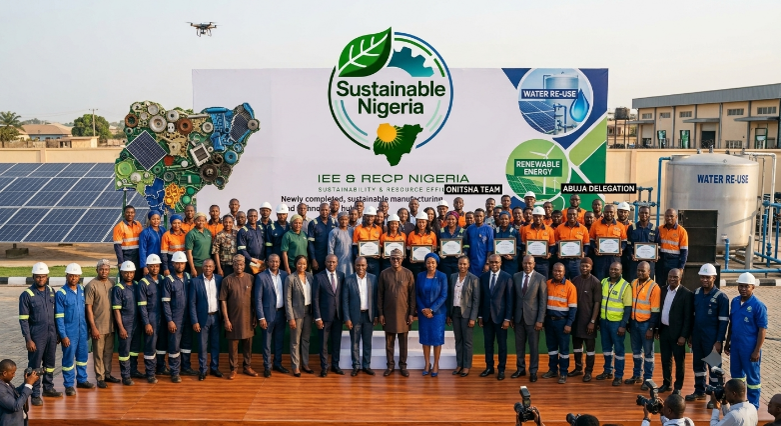
Through the Global Environment Facility (GEF) and the United Nations Industrial Development Organization (UNIDO), Nigeria has implemented one of its most significant industrial sustainability initiatives.
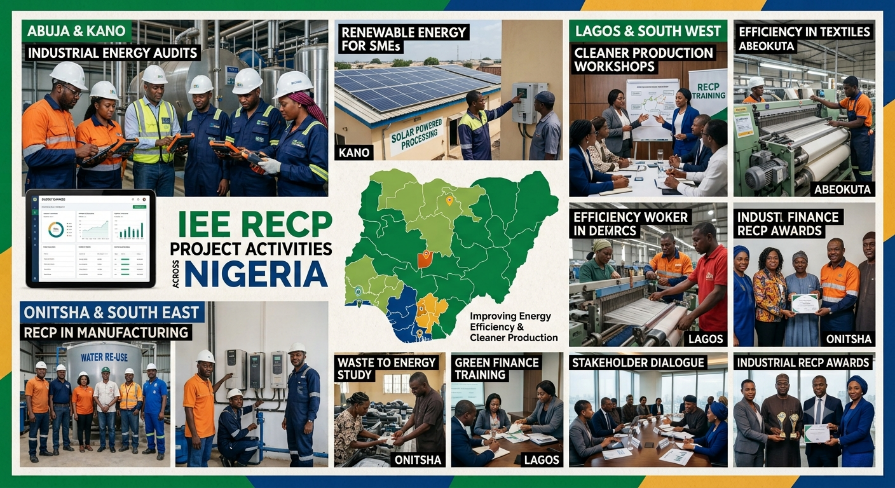
The GEF–UNIDO Industrial Energy Efficiency (IEE) and Resource Efficient and Cleaner Production (RECP) Project has worked with government institutions, industries, financial institutions, technical experts, and development partners to build awareness, strengthen technical capacity, and encourage the adoption of internationally recognised best practices.
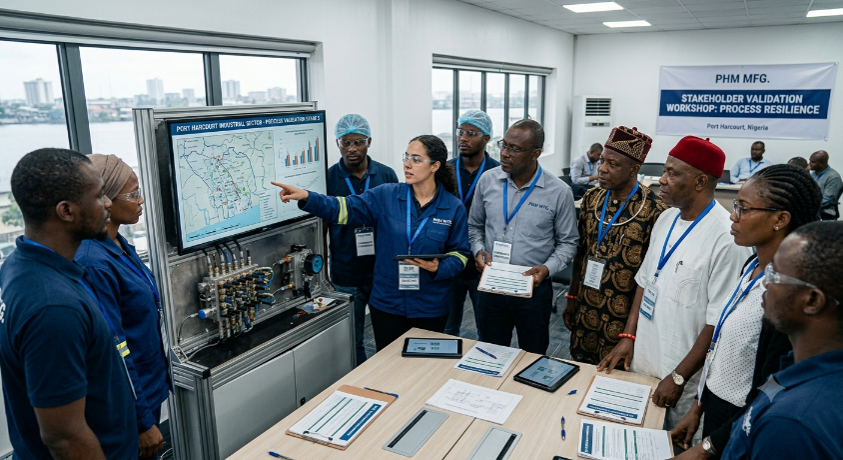
Throughout the project, workshops, policy dialogues, Cleaner Production Assessments, ISO sensitisation programmes, media engagements, and stakeholder collaborations have demonstrated that energy efficiency is not simply an environmental goal. It is a business opportunity.
Looking Beyond the Project
Although the project has formally concluded, its impact continues through stronger institutions, increased technical capacity, improved awareness, and growing collaboration among stakeholders.
The knowledge shared, partnerships established, and systems developed during implementation provide a solid foundation for continued progress toward sustainable industrial development in Nigeria.
Industrial Energy Efficiency is ultimately about creating industries that are more productive, more competitive, and more resilient.
The journey has begun, and the opportunities ahead are significant.